Renting Out What You Already Own: Cars, Tools, Parking, Storage
Your second car, idle tools and empty garage can pay rent. Gross revenue lies once platform fees and wear hit.
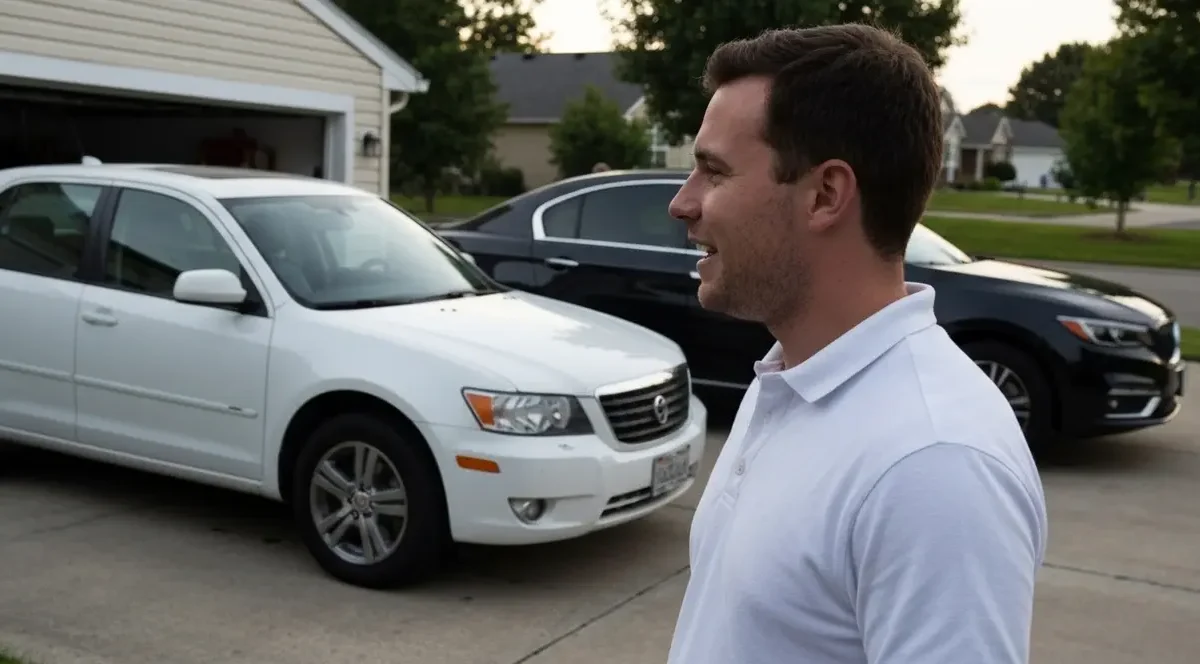
The freelance designer with a second car sitting in the driveway, the suburban dad with a half-empty garage, the cyclist with a $3,000 road bike used twice a month. All three are sitting on assets that could be paying rent. The asset-rental economy beyond Airbnb has matured fast, and the platforms now cover cars, parking spots, storage, bikes, surfboards, and power tools. The catch is that gross income lies. Every platform has a fee structure, and every asset has wear-and-tear math that quietly eats your margin.
I’m gonna be straight with you: most articles about Turo or Neighbor quote gross revenue and stop there. That’s not what lands in your account. Below I’ll walk you through the four biggest platforms in this space, what they actually pay after the cuts, and where the real net return lives. The goal isn’t to sell you on becoming a fleet operator. It’s to help you read the opportunity honestly, so you pick the asset that actually deserves your time.
Turo: the cash flow looks great until you read the cost line
Turo is the biggest name in peer-to-peer car rental, and it just restructured. Effective January 7, 2026, the platform consolidated five protection tiers down to three, with base host earnings of 70%, 80%, or 90% depending on which plan you pick. The top tier, called “More earnings,” can unlock variable payouts up to 100% of trip price on bookings made 28+ days in advance, but only in select cities like Austin, Dallas, Las Vegas, Maui, Philadelphia, and Seattle as of early 2026.
The headline numbers look good. Turo reports U.S. hosts earn an average of $545/month per vehicle, and most single-car hosts pull $300 to $700/month gross. Summer 2026 bookings are already up 21% year-over-year, with rising car ownership costs pushing more renters onto the platform. Airport trips made up 38% of host earnings in 2025, and long trips (30+ days) became the fastest-growing booking type. The demand is real.
Here’s the part nobody wants to tell you: the cost line is brutal. Off-trip insurance starts around $56/month. Car washes run $25 to $30/month. Maintenance on a gas vehicle runs $300 to $800/year, or $150 to $400 if you’re hosting an EV. The annual Turo inspection is around $25/year. Parking and storage can range from $0 to $200/month depending on where you live. Stack those costs against a $545/month average and the picture changes fast. A host clearing $500 gross on a 70% plan keeps $350, then loses another $150 to $250 to fixed costs. Net? Often $100 to $200/month per car. Not nothing, but not the headline either.
Neighbor: the host-friendliest platform almost nobody talks about
Neighbor is the storage and parking marketplace, and the fee structure is genuinely the best I’ve seen in this category. The platform charges hosts a 4.9% payment processing fee plus $0.30 per reservation. Renters get charged an 8% to 20% service fee on top of the advertised price. Compare that to Turo’s 10% to 30% take or Airbnb’s 15%+ on hosts, and Neighbor is a different animal.
The realistic earnings break down by space type:
• Garage: $50 to $500/month depending on size, climate, and metro.
• Driveway: $50 to $150/month, best near airports and dense urban cores.
• Shed: $50 to $200/month for renters storing seasonal gear.
• Parking space: $50 to $300/month, with city centers and event venues pulling top dollar.
Most hosts I’ve talked to land in the middle of those ranges. The killer feature is the cost side: you already own the space, you’re not buying insurance per item, and there’s no wear-and-tear math on concrete. The operating expense ratio for self-storage facilities runs 30% to 40% of gross revenue, but for an individual hosting a driveway or empty garage, the OER is usually under 10%.
Back at the bank we called this “yield on a dead asset.” The driveway was already there. The garage was half empty anyway. Turning that into $100 to $300/month with almost zero ongoing cost is the highest hourly return in this whole category, by a wide margin. Renters save 30% to 50% versus traditional storage units (which run $60 to $225/month), so demand is steady.
Spinlister and the sports gear angle
Spinlister covers bikes, surfboards, paddleboards, skis, and snowboards across 63 countries, with damage and theft insurance on bikes up to $10,000 USD. The platform charges individual hosts a 17.5% commission, which is steep but in line with the niche-marketplace average. Bike hosts can earn $500 to $2,000/year per bike on average, and $3,000+ in high-demand locations like coastal California or college towns.
Maintenance runs 5% to 10% of revenue, which is honestly modest. The bigger issue is utilization. A bike that rents 4 weekends a month at $40/day in a tourist market hits the high end of that range. The same bike in a suburban neighborhood with no foot traffic might rent twice a season. I’ve seen owners list a $2,500 carbon road bike expecting passive income and clear $80/year because they live nowhere near a rental corridor.
Spoiler: it’s worth more than it looks, but only if the location reads correctly. Before you list, do the quick test: search your zip code on Spinlister and count active listings within 5 miles. Under 3 listings means thin demand. Over 15 means saturation. The sweet spot is 5 to 12 active listings in a market with tourism, university traffic, or coastal/mountain access.
Tool rental: smaller checks, but the math works
RentMyTool is the leader in peer-to-peer tool and equipment rental, covering everything from cordless drills to pressure washers to small construction machinery. The economics are different from cars or bikes. Individual tools rent for $15 to $75/day depending on category, and a well-listed pressure washer or tile saw can pull $80 to $200/month if you live near active DIY neighborhoods or contractors.
The cost structure is forgiving. A $400 pressure washer that earns $100/month pays itself off in 4 months. Maintenance is occasional. There’s no insurance equivalent to off-trip car coverage. The trade-off is logistics. You’re handing tools off in person, walking renters through operation, and chasing returns. This is a part-time gig with a real time cost, not passive income.
I’ve analyzed thousands of bank statements. Clear pattern: people who succeed with tool rental already own the tools for their own use. The rental income is a side benefit on assets they’d buy anyway. People who buy tools specifically to rent them out almost always under-earn the math they did on a spreadsheet, because utilization in real markets runs 30% to 50% below projections.
Better approaches if you actually want net returns, not gross headlines
Most readers asking about renting out assets are trying to add $200 to $800/month without taking on a second job. Here’s what actually works, ranked by hourly return on time invested:
• Neighbor first, if you have a garage, driveway, shed, or parking spot. Lowest fees, lowest ongoing cost, highest hourly return.
• Turo second, if you already own a second car and live near an airport. Skip it if you’d be buying a vehicle specifically to host.
• Spinlister third, but only in verified high-demand zip codes. Otherwise it’s a hobby, not income.
• RentMyTool last, as a bonus on tools you already own, not a primary play.
The pattern across all four: rent what you already have. Don’t buy assets to rent. The moment you finance a second car or a $3,000 bike to chase rental income, you’ve turned a side hustle into a leveraged bet on utilization rates you can’t control.
Detail that makes all the difference: track real hourly return, not gross revenue. A Neighbor garage earning $150/month with 30 minutes of admin per month is a $300/hour gig. A Turo car earning $545/month gross but eating 8 hours of cleaning, key handoffs, and damage disputes is closer to $20/hour after costs. The headline number doesn’t tell you which is worth your time.
From theory to your statement this month
The asset-rental economy isn’t a single opportunity. It’s four different businesses with four different unit economics, and the platform you pick should be dictated by what you already own and where you already live, not by which app has the slickest landing page. The hosts I’ve seen do well treat this as yield on an existing asset; the ones who quit within 6 months bought new assets hoping rental income would justify the purchase.
Three profiles, three plays:
• You own a home with extra space: Neighbor is the highest-return move per hour invested. List the driveway or garage first; it’s the closest thing to truly low-effort yield.
• You own a second car that sits 5+ days a week: run the Turo numbers honestly with the 70% plan and full cost stack. If net is under $150/month, sell the car and skip the headache.
• You own premium sports gear or pro-level tools: list on Spinlister or RentMyTool only after confirming demand in your specific zip code. Otherwise the listings just sit.
A few complications worth seeing coming. First, insurance gaps: Turo’s coverage doesn’t replace your personal policy, and a denied claim on a damaged car can wipe out a full year of profits. Call your insurer before listing. Second, HOA and lease restrictions: many neighborhoods prohibit commercial activity, and Neighbor listings have been shut down for this reason. Read your CC&Rs before you list. Third, tax treatment: rental income from these platforms is reportable, and you’ll likely get a 1099 from any platform that pays you over the IRS threshold. Track expenses from day one so your deductions hold up.
Imagine you’re three years older and you’ve been renting out the same asset that whole time. Would you still be glad you started, or would you wish you’d picked a different platform? That question separates the people who add real income from the ones who churn through apps every six months.
This week, pick ONE platform and create a draft listing. Don’t publish it yet. Just go through the form, calculate your realistic monthly net (gross minus platform fee minus your specific costs), and ask whether the dollar-per-hour math actually beats picking up a few freelance hours instead. For background on self-employment income reporting, the Internal Revenue Service homepage has the current 1099-K thresholds, and the Consumer Financial Protection Bureau covers your rights when platforms hold or dispute payments.