How testing free products saves you money long-term
Testing products free before you buy shows what is worth the money and what would just collect dust on a shelf.
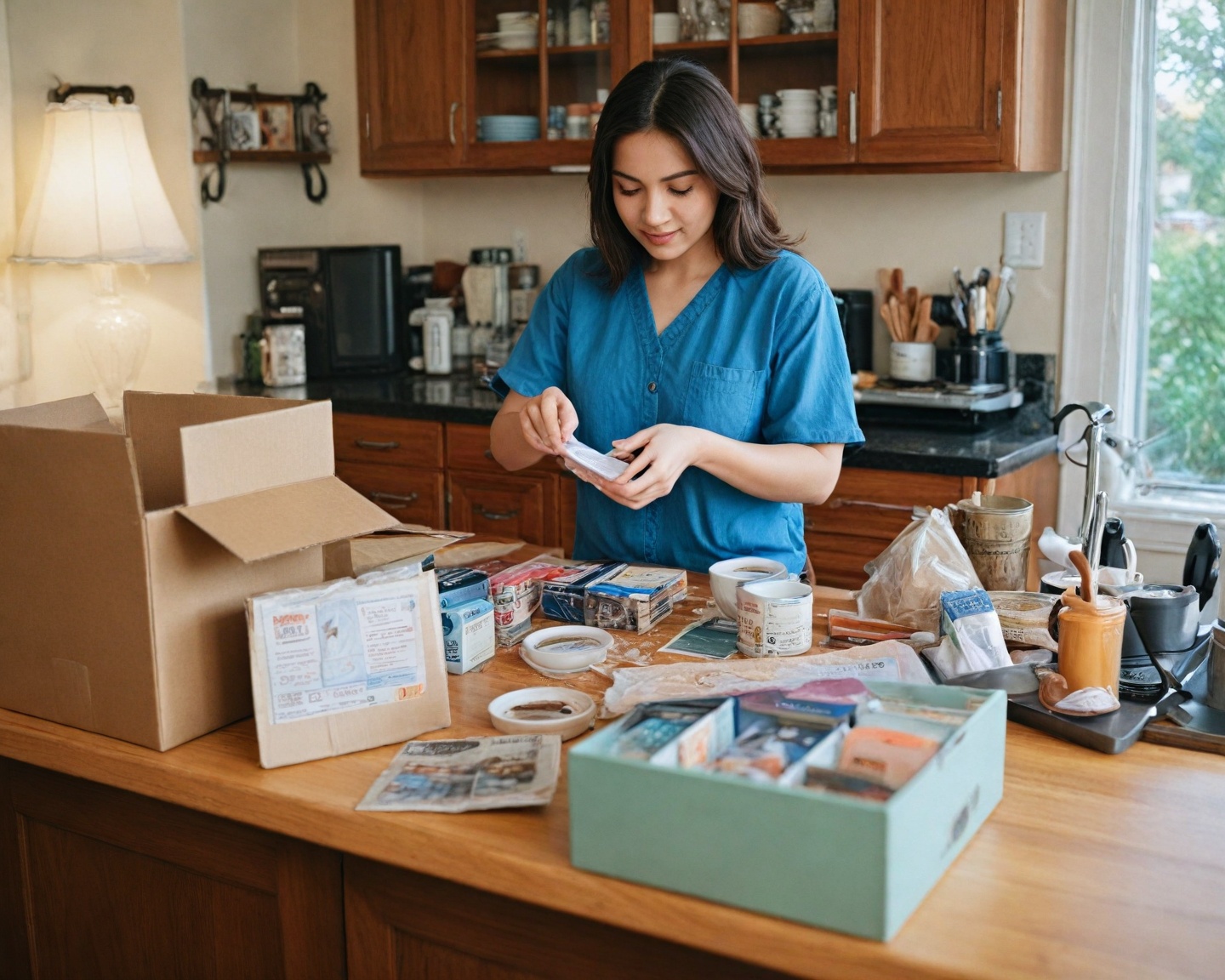
Introduction to Free Product Testing and Its Purpose
In today’s consumer-driven world, where new products are introduced daily, it can be a challenge to determine which items are worth the investment and which will end up collecting dust. This is where free product testing steps in as a strategic tool, providing consumers the opportunity to experience products firsthand without a financial commitment. Free product testing allows you to evaluate the quality, features, and effectiveness of products before making a purchase decision, ensuring that your money is well spent.
The concept of free product testing isn’t limited to a marketing gimmick; it’s a mutually beneficial arrangement between companies and consumers. For businesses, product trials are a way to gather direct feedback and build buzz around a product, while consumers gain the advantage of not only testing products for free but also making informed purchasing choices. As we delve into this topic, we’ll explore how engaging in free product trials can save you money in the long run and offer peace of mind with each purchase.
How Free Product Trials Help in Making Informed Purchases
Product trials serve as a practical approach to testing before committing to a purchase. With an array of options available in the market, free trials help consumers sift through choices and identify the product that best fits their needs. This hands-on experience is invaluable, as it eliminates the risk associated with purchasing products blind, solely based on advertisements or reviews.
Through free product testing, consumers gain insights into how a product performs in real-life scenarios. Often, product specifications and promotional content don’t capture the nuances or limitations of an item. By trying the product firsthand, you can assess its durability, functionality, and if it lives up to its claims. This process leads to more informed decisions, curbing the potential for buyer’s remorse.
Additionally, product trials enable a personal evaluation that reviews or testimonials cannot fully provide. What works for one individual might not work for another. Product trials allow you to tailor the experience to your specific needs or expectations, ensuring that the product truly serves its intended purpose before any funds change hands.
The Financial Benefits of Avoiding Unnecessary Purchases
Unnecessary purchases can significantly impact your financial health, leading to clutter and wasted investment. By engaging in free product trials, consumers can effectively bypass this issue. The foremost financial benefit is the ability to “try before you buy,” ensuring that only items that meet your needs are purchased, thus conserving your resources.
The practice of testing products reduces impulse buying. When you know you have the opportunity to test a product, the urgency to buy immediately diminishes, allowing more time to analyze whether a product is truly necessary. This introspection can prevent exorbitant expenditures on items cloned with flashy marketing yet lacking in substance or utility.
Furthermore, free product trials can lead to discovering cost-effective alternatives. Frequently, consumers gravitate toward high-end brands under the assumption of superior quality. Product trials can introduce you to lesser-known brands offering similar or better quality at a reduced price point, guiding you to smarter, more economically savvy choices.
Common Types of Free Product Trials Available
Free product trials come in several forms across various industries, offering a diverse array of experiences depending on your needs and interests. By familiarizing yourself with these types, you can take full advantage of what’s on offer.
-
Subscription Services: Many subscription-based companies offer trial periods for their products or services. Whether it’s streaming, meal kits, or beauty boxes, consumers can sample entries within a limited timeframe to gauge their satisfaction before committing to a monthly fee.
-
Physical Products: Often seen in stores or online, companies offer free samples of items like cosmetics, household cleaning supplies, or food products. These trials allow you to test products in real-world conditions without the pressure of an immediate investment.
-
Software Trials: In the tech world, software companies frequently provide free trials of their applications or programs. This period enables users to explore features, user interface, and compatibility with their tech suite, significantly reducing the risk of purchasing incompatible or ineffective software.
Knowing these categories enhances your ability to choose the right type of trial according to your needs, ensuring useful and relevant experiences.
How to Find and Sign Up for Legitimate Free Product Trials
Navigating the world of free product trials requires discernment and due diligence to avoid scams or subpar offers. Here are steps to ensure you find genuine opportunities:
-
Research Reputable Sources: Start with established companies known for quality products. Evaluate their official websites and apps for trial announcements and signup forms.
-
Utilize Online Platforms: Websites dedicated to sharing free samples and trials, such as Freeflys or SampleSource, consolidate offers from various brands, making it easier to discover legitimate trials.
-
Sign Up for Newsletters and Loyalty Programs: Brands often announce trials to their most engaged communities. By subscribing to newsletters and joining loyalty programs, you will be among the first to know about upcoming product trials.
Successfully enrolling in purposeful trials requires careful selection and understanding the intent of the trial provider. Always read the terms and conditions to avoid unintended subscriptions or charges.
Addressing Concerns: Are Free Product Trials Really Free?
While free product trials are marketed as costless opportunities, there are hidden caveats to be aware of which can lead to unexpected costs. It is crucial to investigate whether the trials are genuinely free:
-
Understand the Trial Periods and Conditions: Many trials require a subscription sign-up, which will auto-renew and incur charges if not cancelled by the end of the trial period. Always note the cancellation process and deadlines.
-
Check for Shipping or Handling Fees: Some “free” trials may cover only the product cost, leaving you responsible for shipping. Ensure no additional fees apply before committing.
-
Evaluate Time Investment: Trials can cost you in terms of time spent completing surveys or providing feedback, which companies often require in exchange for free trials. Determine if the time investment complements the potential savings.
With vigilance and clarity on these aspects, users could safely engage in trials without unseen costs. Companies are generally up front about these aspects, ensuring consumer trust and continued participation.
Tips for Maximizing the Value of Free Product Testing
To derive maximum benefits from your free product testing adventures, consider the following tips, each designed to enhance your experience and savings:
-
Plan in Advance: Align product testing periods with your purchasing cycles. If you’re nearing the end of a product’s lifespan, plan trials of potential replacements to ensure seamless transitions without hasty purchases.
-
Maintain Records: Keep track of trials you’re participating in, including sign-up dates, end dates, and cancellation policies. This organization prevents unwanted charges and keeps your experiences positive.
-
Provide Honest Feedback: Engaging actively by offering your genuine opinion fulfills your end of the trial’s purpose and ensures companies continue offering genuine trials. Your insights could also earn you more trial opportunities or rewards.
These steps will help you not only experience a wide range of valuable products but will also ensure a minimal chance of financial risk associated with involuntary commitments or expenses.
Real-Life Examples of Savings Through Product Testing
Real-world experiences often highlight the practical advantages of free product trials, demonstrating how they offer tangible savings:
-
Household Products: A consumer has the opportunity to try new eco-friendly cleaners via trials and subsequently swaps them for more expensive brands. This switch results in considerable savings over the year while also promoting environmental sustainability.
-
Technology and Software: Trying software solutions without purchase commitments saves a graphic designer a substantial sum. Through free trials, the designer evaluates productivity software tailored to their needs, bypassing costly subscriptions that don’t fit their workflow.
-
Beauty and Skincare: Skincare routines can be expensive, with a myriad of products to choose from. An individual engages in trials to explore serums and masks that suit their skin type without risking full-sized purchases that might lead to irritation or dissatisfaction.
By understanding these stories, other consumers can see how trials can prevent unnecessary spending, tailoring purchases precisely to their requirements and lifestyle.
Potential Pitfalls to Avoid When Testing Free Products
As with any consumer activity, being aware of potential drawbacks can protect you from the less desirable aspects of product trials. Here’s what to avoid:
-
Overcommitting: It’s easy to sign up for multiple trials, leading to an overwhelmed state where you can’t truly assess each product. Stick to a manageable number to ensure a quality experience.
-
Ignoring Fine Print: Missed fine details in terms and conditions can lead to unexpected costs or commitments. Always read through agreements carefully to avoid unwanted financial obligations.
-
Underestimation of Feedback Requirements: Companies often require participants to complete detailed reviews or surveys. If the time and effort required exceed your expectations, it may not be worth the savings.
By keeping these pitfalls in mind, your participation in product trials will remain beneficial and under your control.
FAQ: Frequently Asked Questions
How do companies benefit from offering free trials?
Companies use free trials to gather customer feedback, build brand loyalty, and increase consumer interest. Trials create a buzz around new products and offer insights directly from potential customers.
Can I trust all free product trials?
No, it’s vital to evaluate the legitimacy of any offer. Trust reputable brands, verify from known review platforms, and resist deals that require too much personal info upfront.
What should I avoid when signing up for free trials?
Avoiding overcommitting, ignoring terms and conditions, and underestimating the effort to provide feedback are crucial. Ensure you’re aligned with what’s required before accepting a trial.
How often can I sign up for product trials?
As long as you manage commitments effectively and maintain an organized approach to avoid overwhelming, you can sign up for trials as frequently as they align with your interests and needs.
Why do some companies require credit card information for free trials?
Credit card information is often required to transition smoothly to a purchase once the trial period ends. Companies aim to retain customers with a seamless next step but should clearly outline charges post-trial.
Can I cancel a trial before it ends?
Yes, most companies allow cancellation before the trial period concludes without charges. Understanding the specific provider’s cancellation policy will help you remain in financial safe zones.
What’s the best way to maximize trials without financial risk?
Maintaining a trial tracker for start and end dates and closely monitoring your accounts will help avoid unintended costs. Plan trials around your purchasing cycles for better alignment with needs.
Do free trials usually result in purchase decisions?
Not always. Trials are designed to help you determine if a product meets your needs. Some users continue with a purchase, while others appreciate the trial but need no further engagement.
Recap
Free product trials offer consumers an effective way to engage with new products without financial risk. Informed purchases, reduced impulse buying, and discovering cost-effective alternatives are some of the core benefits of product trials. With a strategic approach to sourcing legitimate trials, avoiding scams, and maximizing their value, consumers protect their wallets. User experience from real-life case studies demonstrates the practical savings and satisfaction derived from trial engagements. However, awareness of potential pitfalls ensures that consumers can maintain control and reap the benefits intended.
Conclusion: Why Testing Free Products is a Smart Financial Strategy
Free product testing transcends mere consumer sampling, emerging as an intelligent, cost-saving strategy that aligns with financial prudence. It enables buyers to make informed decisions backed by firsthand experience, lowering the probability of monetary regret, and ensuring that purchases are truly needed and optimized for personal benefit.
By integrating free trials into their purchasing habits, consumers shift from impulsivity to strategic planning. This disciplined approach fosters financial health, encourages smarter spending, and cultivates a consumer landscape where informed choices reign supreme. Adopting this mindset not only nurtures individual savings but also transforms product selection into a thoughtful, empowered process.